Simple Lawn Seeding Errors That Can Ruin Your Results
The most common mistakes with overseeding happen before the seed even hits the ground. People skip soil prep, use the wrong seed, plant at the wrong time, or water the wrong way. These errors lead to thin grass, bare spots, or wasted money. If you want thick, healthy turf, you need the right steps and steady care from start to finish.
Why Prevention Matters
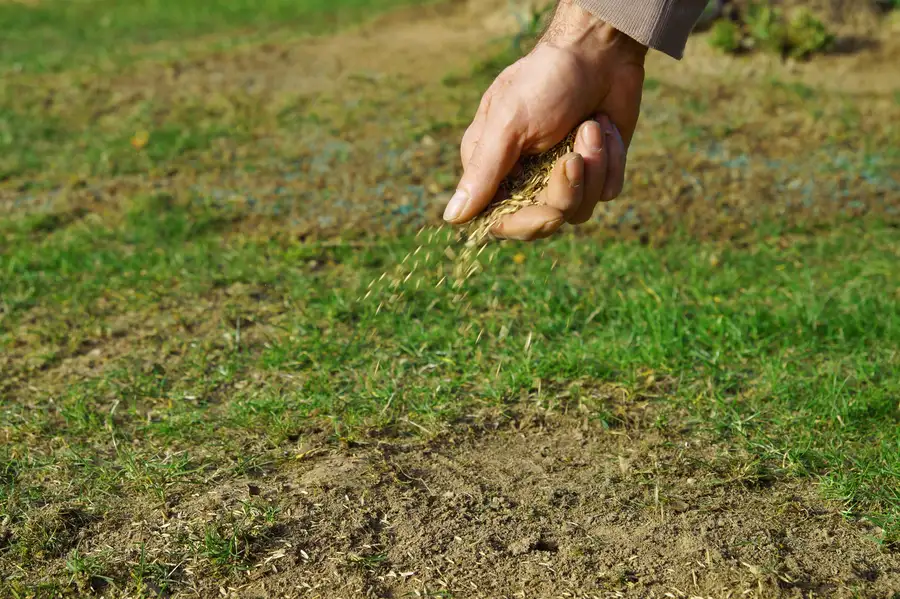
Overseeding helps fill thin areas and improve lawn color. It adds new grass plants to older turf. But small mistakes can stop new seed from growing. Once the seed dries out or washes away, it will not sprout. Skipping prep work can also block seed from touching soil. Good prep and timing protect your effort and give you better results.
Early Warning Signs Something Is Wrong
If you already seeded your lawn, watch for signs of trouble. Catching problems early can help you fix them fast.
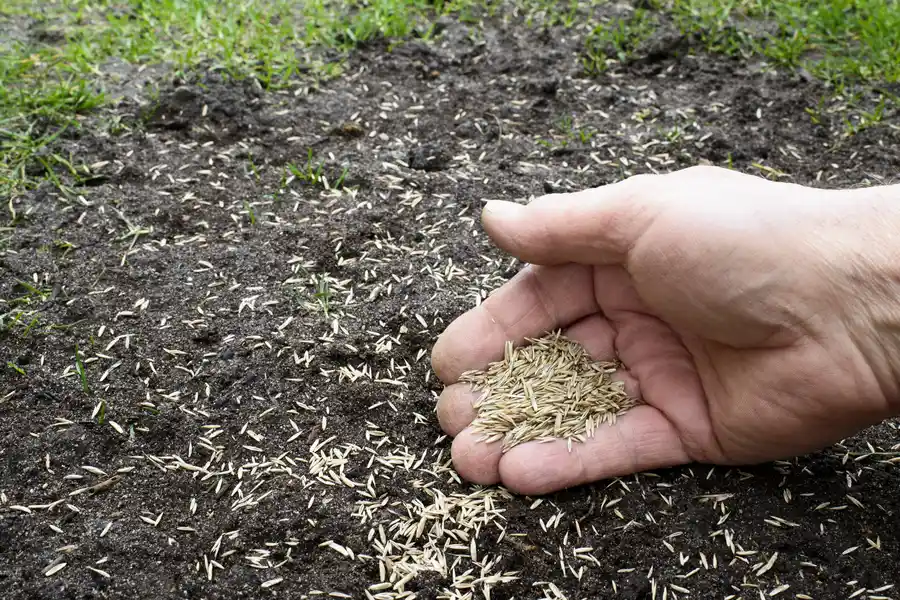
- Seed sits on top of the soil after rain
- Birds gather and eat large amounts of seed
- Soil dries out and forms a hard crust
- Patchy growth after two to three weeks
- Weeds growing faster than new grass
These signs often point to poor soil contact, weak watering habits, or bad timing.
Seasonal Checklist for Better Results
Timing plays a big role in overseeding success. In most areas, early fall is best. Soil is warm, and weeds grow slower. Spring can work too, but weeds compete harder.
- Mow the lawn shorter than normal.
- Rake or dethatch to remove dead grass.
- Loosen the top layer of soil.
- Spread seed evenly across the lawn.
- Lightly rake again to mix seed into soil.
- Water lightly once or twice a day.
Each step helps seed touch soil and stay moist. Skipping even one step can reduce growth.
Best Practices for Long-Term Results
Use the right seed for your yard. Some grass types do better in shade. Others love full sun. Read the label and match it to your lawn’s light and traffic levels.
Water is also a big factor. New seed needs steady moisture. That does not mean soaking the lawn. Light, frequent watering works better than heavy watering once a day. Too much water can wash seed away or cause rot.
Fertilizer can help, but use the right kind. A starter fertilizer gives young grass nutrients without burning it. Regular lawn fertilizer may be too strong for new seedlings.
Stay off the lawn while new grass grows. Foot traffic can crush tender shoots. Wait until the grass reaches about three inches before mowing. Then cut only the top third of the blade.
What Not to Do
Avoid these common overseeding mistakes:
- Seeding over thick thatch without removing it
- Planting right before heavy rain
- Using old or expired seed
- Letting soil dry out during the first two weeks
- Mowing too soon
Another mistake is guessing how much seed to use. Too little seed leaves gaps. Too much seed causes crowding. Crowded grass fights for light and nutrients. Always follow the rate on the bag.
Do not ignore soil health. Hard, compacted soil blocks root growth. If your yard feels firm under your feet, core aeration before overseeding can help. Aeration opens small holes in the soil. This gives seed better contact and space for roots.
When to Schedule Professional Help
If your lawn stays thin year after year, there may be deeper issues. Poor drainage, heavy shade, or soil problems can stop new grass from taking hold. Large properties can also be hard to manage with basic tools.
A lawn care service can test your soil, recommend the right seed, and apply it evenly with proper equipment. Professionals also know the best timing for your climate. If you have tried overseeding on your own without success, outside help may save time and money.
Get Expert Help for a Thicker Lawn
If your yard in Phoenix, AZ needs better results from overseeding, we are ready to help. At CB Landscaping, we handle every step with care and use proven methods for strong, healthy growth. Call us at (602) 736-8304 to schedule a visit, and let us improve your lawn the right way.